
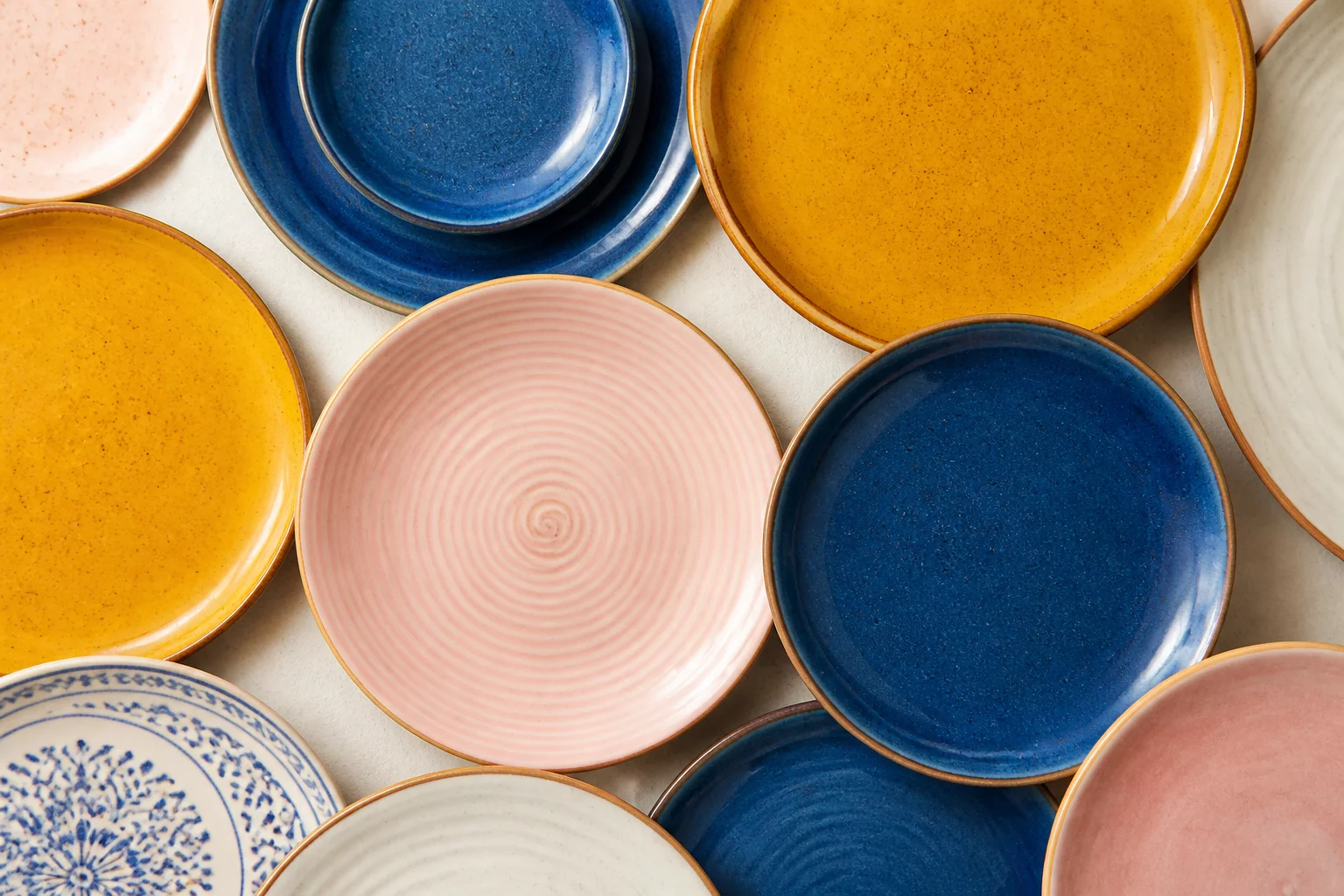
Setting a memorable table no longer requires matching twelve identical dinner plates. Creative curation and thoughtful color contrasts breathe life into daily dinners and festive gatherings alike. By balancing warm stoneware undertones with cool glazes, you create depth that elevates every served dish.
Key Tableware Principles & Materials
When curating an eclectic dinnerware assortment, start with a solid grounding tone such as matte slate gray, warm oatmeal, or raw terracotta. Layering accent side plates in contrasting cobalt, blush, or mustard yellow brings energy to the setting without cluttering the visual field. Pay close attention to surface finishes; pairing high-gloss dessert plates over satin-matte dinner chargers introduces rich tactile variety.
Daily Maintenance and Care Instructions
Different ceramic glazes react uniquely to thermal shifts and regular dishwasher cycles. Maintain the brilliance of multi-colored stoneware by washing items with mild, non-abrasive detergents and allowing plates to dry completely before nesting them.
- Group complementary palettes by anchoring high-contrast accent plates onto neutral dinner bases.
- Mix matte and glossy finishes across your salad, dinner, and dessert plate stack for tactile variety.
- Separate stacked colored plates with soft cloth dividers when storing to prevent rim glaze abrasion.