
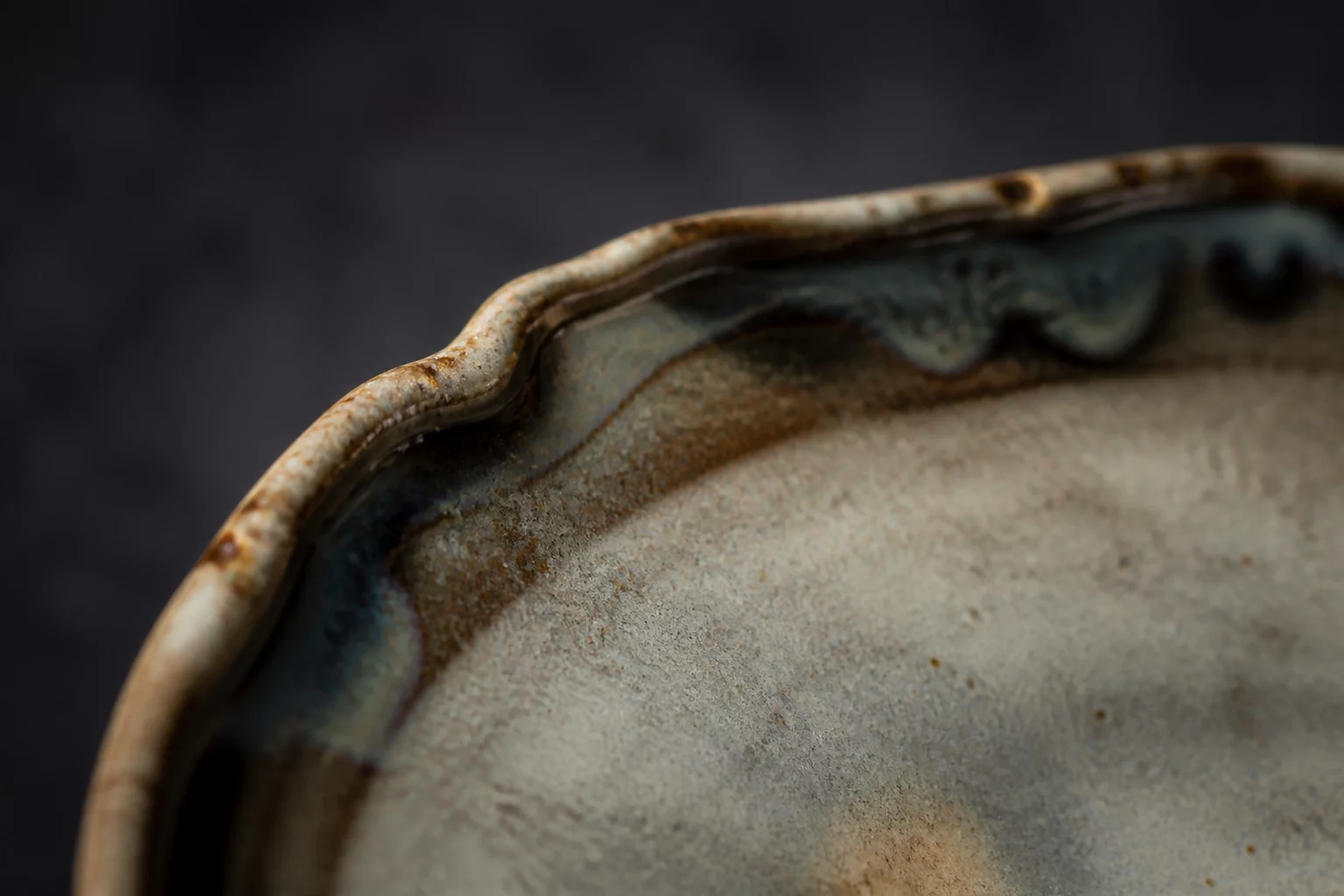
In an era dominated by uniform, mass-produced dinnerware, handcrafted plates offer a deeply grounding and human dining experience. Every soft curve along the rim, delicate pooling of reactive glaze, and tactile thumbprint left during throwing tells an authentic story of craft. Rather than seeking cold mechanical symmetry, artisanal ceramics celebrate the natural character of earth, water, and fire, transforming everyday dining into an expressive visual ritual.
Key Tableware Principles & Materials
High-fired stoneware and rich earthenware respond uniquely to individual studio techniques, from hand-building to wheel-throwing. When mineral glazes encounter the intense heat of the kiln, subtle variations in oxidation produce bespoke gradients, iron speckling, and organic satin sheens. These distinctive features reflect the timeless Japanese philosophy of wabi-sabi—appreciating the subtle grace found in authentic, natural variations. Because no two handcrafted plates share the exact same contours, each place setting at your dining table carries its own distinct personality.
Daily Maintenance and Care Instructions
Artisanal dinnerware combines dense structural durability with intricate surface finishes that appreciate mindful maintenance. To preserve the vibrant depth of reactive glazes and unglazed clay foot rings across years of daily meals, incorporate these straightforward care routines:
- Rinse acidic culinary remnants promptly to protect delicate matte and satin glaze surfaces.
- Avoid sudden thermal shocks by allowing chilled plates to reach room temperature prior to hot food plating.
- Stack plates gently with soft linen dividers to avoid friction between bare ceramic feet and glaze coatings.